
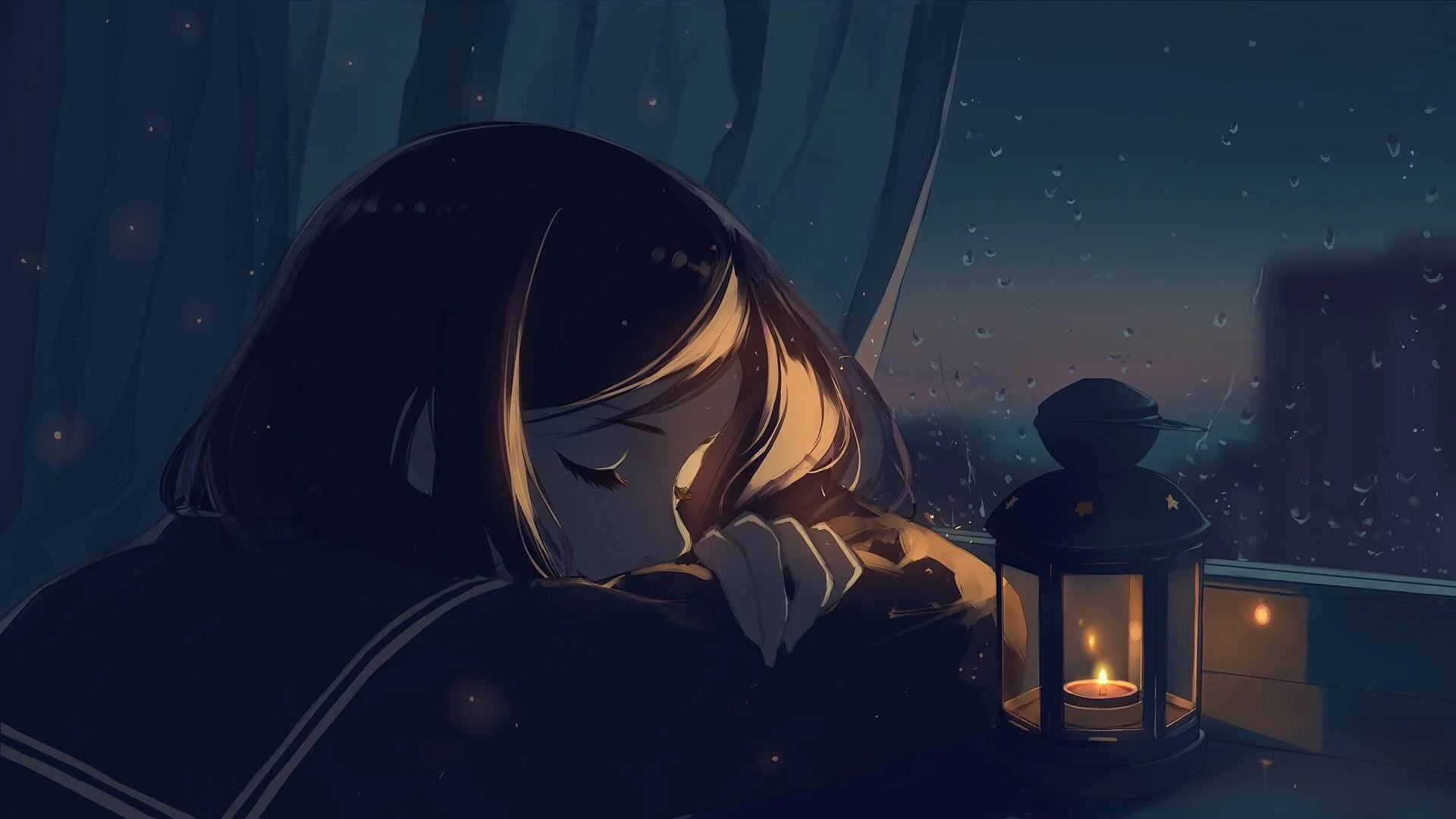
Why Sad Aesthetics Are Trending in 2026: Emotional Expression Through Profile Pictures
In 2026, social media no longer revolves solely around perfection, filters, and curated happiness. Instead, a noticeable shift has taken place—sad aesthetics have become one of the most dominant visual trends across platforms like Instagram, WhatsApp, Snapchat, and Telegram. From muted tones and teary-eyed portraits to rain-soaked windows and shadowed silhouettes, profile pictures now reflect emotional honesty rather than polished positivity.
This trend is not accidental. It is deeply tied to how people experience the digital world today.
The Rise of Emotional Authenticity Online
For years, social media encouraged users to present idealized versions of themselves. Smiling faces, flawless lighting, and aspirational lifestyles dominated feeds. But as digital fatigue, social comparison, and mental health awareness grew, many users began rejecting unrealistic portrayals.
In 2026, authenticity is valued more than perfection. Sad aesthetics allow individuals to express vulnerability without explaining themselves in words. A single profile picture can communicate loneliness, heartbreak, exhaustion, or quiet introspection—emotions that are often difficult to articulate.
Profile pictures have become emotional signals rather than mere identifiers.
Why Profile Pictures Matter More Than Ever
Profile pictures are the most frequently seen visual representation of a person online. They appear in chats, comments, reactions, and notifications. Unlike posts or stories, they are persistent. Choosing a sad or melancholic DP is a deliberate act—it sets the emotional tone of one’s digital presence.
In an era where people constantly scroll, a sad aesthetic image stands out. It invites pause, empathy, and curiosity. It silently says, “This is how I feel right now.”
Cultural Shifts Fueling the Sad Aesthetic Trend
Several cultural and societal factors are driving this shift:
1. Mental Health Awareness
Conversations around anxiety, depression, burnout, and emotional overwhelm are no longer taboo. Sad aesthetics normalize emotional struggles rather than hiding them behind forced smiles.
2. Post-Pandemic Emotional Impact
Although the world has moved forward, the emotional effects of isolation, uncertainty, and loss still linger. Visual melancholy resonates with a generation shaped by prolonged instability.
3. Digital Minimalism
Muted colors, grainy textures, and simple compositions align with the broader minimalist design movement. Sad aesthetics feel calm, slow, and reflective in contrast to loud, over-edited visuals.
4. Identity Without Explanation
Not everyone wants to post long captions or stories explaining their mood. A sad DP offers non-verbal self-expression, allowing users to be seen without oversharing.
Some platforms and digital behaviors—ranging from entertainment to gaming and even transactional actions like an online casino deposit—also reflect how users seek emotional escape, control, or comfort in different ways during emotionally complex times.
Visual Elements That Define Sad Aesthetics
Sad aesthetic profile pictures often share common characteristics:
- Black-and-white or desaturated color palettes
- Soft shadows and low lighting
- Hidden faces, side profiles, or closed eyes
- Rain, windows, mirrors, and empty streets
- Textures like film grain or blur
These elements create a mood rather than clarity. The lack of sharpness mirrors emotional uncertainty, making the image feel intimate and relatable.
Why This Trend Resonates with Younger Generations
Gen Z and younger millennials are leading this movement. They value emotional transparency and are more comfortable expressing vulnerability online. For them, sadness is not weakness—it is part of self-awareness.
Unlike earlier generations that associated online presence with status, younger users treat digital space as an extension of their emotional world. Their profile picture becomes a mood board of the soul.
The Role of Aesthetic Communities and Niche Platforms
Dedicated aesthetic platforms and image collections have made sad visuals easily accessible. Users no longer need professional photography skills to find an image that matches their emotional state. These communities validate feelings by offering visuals that say, “You’re not alone.”
Sharing or using such images also creates a sense of belonging. When others recognize or relate to the aesthetic, it forms a silent emotional connection.
Is the Sad Aesthetic About Sadness—or Self-Understanding?
Importantly, choosing a sad DP does not always mean someone is unhappy. Often, it reflects introspection, emotional depth, or a desire for quiet. Sad aesthetics can be comforting rather than depressing. They allow people to slow down, feel, and exist without pressure to perform happiness.
In 2026, emotional expression is nuanced. Sadness, calm, nostalgia, and silence all coexist within this aesthetic.
Conclusion
The rise of sad aesthetics in 2026 signals a fundamental change in how people present themselves online. Profile pictures are no longer just images—they are emotional statements. In a digital world saturated with noise, sad aesthetics offer softness, honesty, and depth.
By embracing melancholy visuals, users reclaim control over their emotional narratives. They remind us that it’s okay to feel deeply, to pause, and to be seen as we truly are—even in silence.


