How Sad Girl Aesthetics Became a Social Media Trend
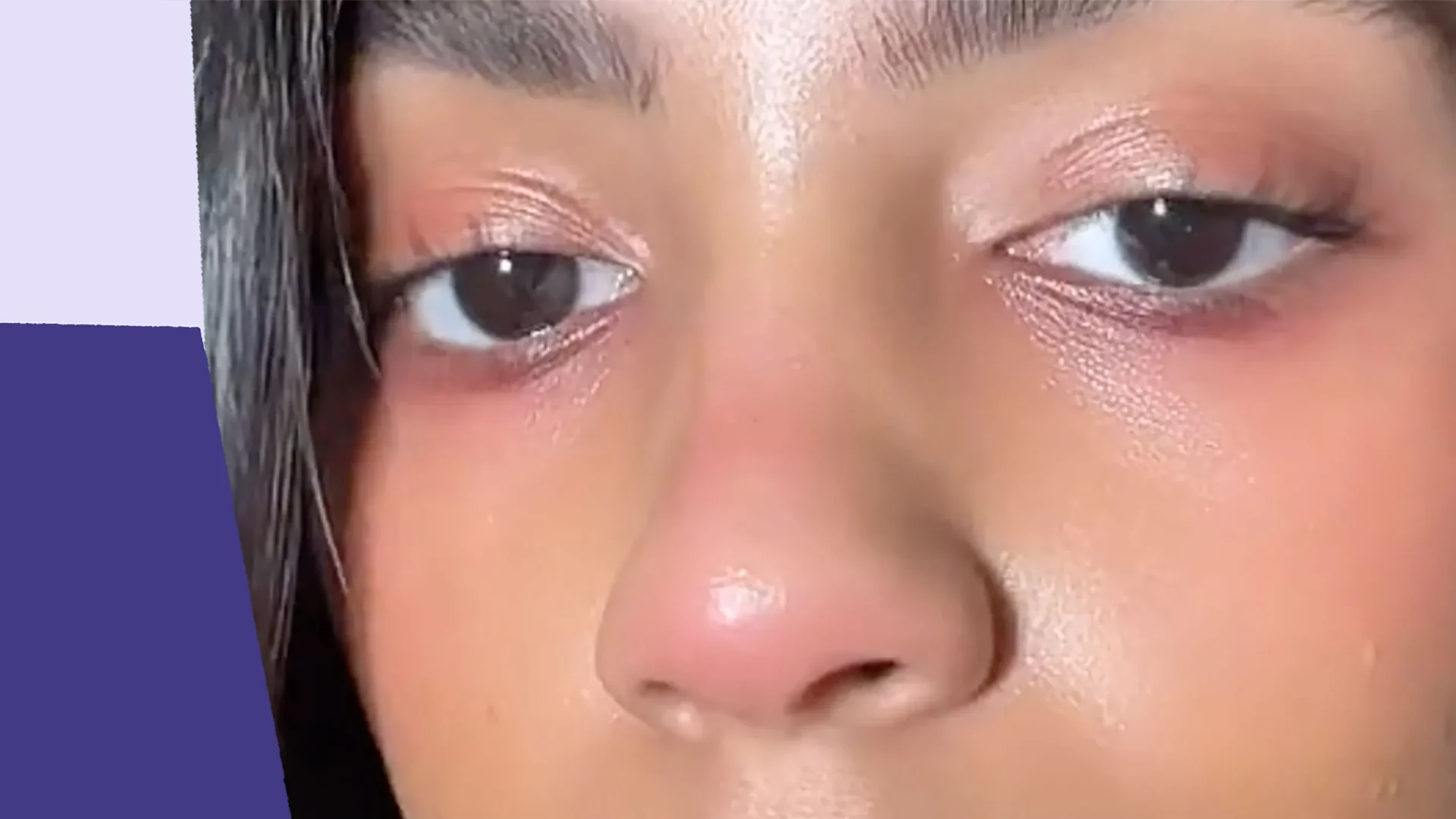
The digital world moves quickly, with new styles and subcultures appearing almost overnight. One of the most intriguing recent trends is the sad girl aesthetic. Rooted in vulnerability, melancholy, and artistic self-expression, it has grown from a niche online mood into a mainstream identity.
Through music playlists, carefully curated photos, and moody captions, sad girl aesthetics give voice to emotions often hidden offline. On platforms like Instagram, TikTok, and Tumblr, the look has become a way to express individuality, connect with others, and even shape online communities.
Origins of the Sad Girl Aesthetic
Sad girl culture is not entirely new. Its roots can be traced back to 90s grunge, indie music, and Tumblr-era aesthetics of the early 2010s. Artists like Lana Del Rey and Lorde gave a voice to feelings of longing, loneliness, and rebellion against polished pop culture.
This foundation helped the aesthetic transition smoothly into the modern social media space. Today, users mix vintage photography, soft pastel tones, and melancholic captions to build an identity that balances beauty with sadness.
Key Inspirations
- Alternative music and poetic lyrics.
- 90s film and fashion with a nostalgic edge.
- Tumblr’s visual culture and photo collages.
Emotional Themes
The focus is not on glamour or perfection but on showing imperfections, emotional honesty, and inner conflict.
Social Media as the Stage
Social media has been the perfect amplifier for sad girl aesthetics. The algorithms of Instagram and TikTok reward striking visuals and authentic storytelling, giving sad girl content a natural advantage. Posts that capture vulnerability often generate more engagement than polished, commercial images.
Creators mix personal confessions with artistic visuals, blurring the line between diary and performance. This makes the aesthetic feel both intimate and widely accessible.
Platforms Driving the Trend
- Instagram: curated feeds with pastel filters and poetic captions.
- TikTok: short clips pairing sad music with visual storytelling.
- Spotify/YouTube: playlists that spread the mood beyond visuals.
Influencer Power
Influencers have made the aesthetic aspirational, turning personal style into cultural influence. The “sad girl” becomes a figure both admired and relatable.
Commercialization of Sadness
Like any social media trend, the sad girl aesthetic has been monetized. Brands use its emotional appeal to market products ranging from fashion to lifestyle goods. What began as self-expression has turned into a profitable identity.
Some critics argue this undermines the authenticity of the movement, while others believe it gives young creators a chance to make money from their art. The truth lies somewhere in between: the aesthetic remains personal for many but has also become a commercial strategy.
| Aspect | Early Stages (Tumblr Era) | Current Trend (TikTok/Instagram) |
| Main Medium | Photos, collages, quotes | Short videos, curated reels |
| Influences | Indie music, grunge, poetry | Pop culture, fast fashion |
| Tone | Personal, niche | Mainstream, monetized |
| Commercial Involvement | Minimal | High – fashion, lifestyle brands |
| Audience Reach | Small online communities | Global, millions of followers |
Sad Girl Aesthetic and Online Escapism
For many, the sad girl aesthetic is more than a look—it’s a form of escape. Sharing curated sadness allows people to feel connected without being too exposed. The bittersweet tone becomes a safe way to express emotions, creating solidarity among strangers.
This pattern mirrors trends in other online industries. Platforms like Lemon Casino also rely on visual appeal, emotional engagement, and gamified interaction to attract users. Just as players chase excitement through immersive design, sad girl creators craft atmospheres that keep audiences returning.
The Future of Sad Girl Aesthetics
The aesthetic will likely evolve, blending with new trends while retaining its emotional core. As social media continues to prioritize authenticity, aesthetics that embrace vulnerability will remain powerful. The challenge will be balancing genuine self-expression with the pressure of commercialization.
Conclusion
The sad girl aesthetic proves that vulnerability can become a cultural force. What began as niche expression has grown into a global trend, amplified by social media platforms and adopted by brands.
By mixing nostalgia, melancholy, and digital creativity, the sad girl look reflects both the beauty and the contradictions of online culture. It shows how personal feelings, once hidden, can become part of the social media mainstream.