
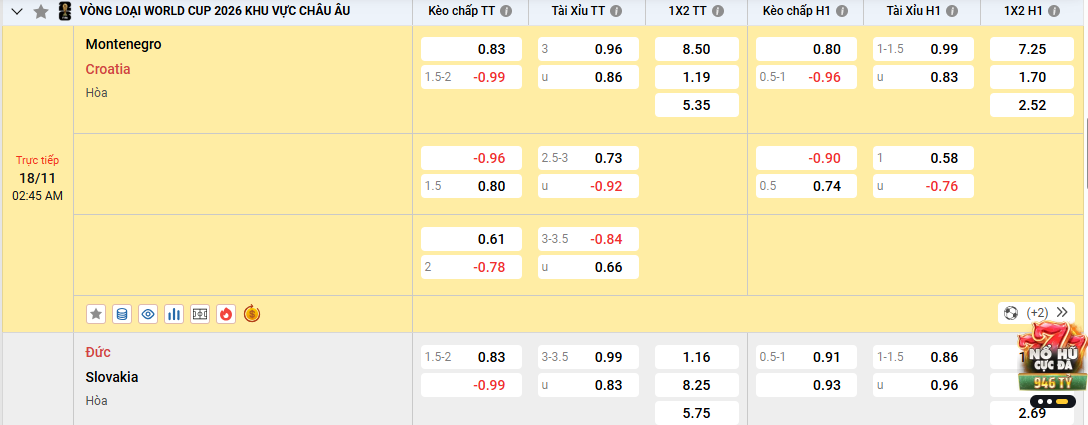
How to Analyze “Ty Le Keo Nha Cai” Effectively: Timing, Match Insights, and Crowd Behavior
In football betting, mastering the art of analyzing ty le keo nha cai the bookmaker’s odds—is one of the most crucial skills that separates successful bettors from casual players. Ty le keo nha cai is not just a number; it’s a reflection of the bookmaker’s calculations based on data, form, and public betting behavior. Knowing how to read and interpret these odds with precision can help you identify valuable opportunities, avoid traps, and make smarter betting decisions. This article explores how to analyze ty le keo nha cai using real-time information, when the best time is to choose your bet, and how to recognize where the betting crowd is heading.
Understanding “Ty Le Keo Nha Cai” and Its Role in Betting
Ty le keo nha cai refers to the ratio or odds offered by bookmakers for a particular football match. It indicates the likelihood of certain outcomes—such as which team is expected to win or how many goals might be scored—and determines the potential payout for a winning bet.
Bookmakers create ty le keo nha cai using a combination of factors: statistical models, team performance data, injury reports, and even bettor behavior. The odds are constantly adjusted before the match begins to balance betting activity and reduce the bookmaker’s risk. For bettors, understanding these movements can reveal valuable clues about how the market perceives the game.
How to Analyze “Ty Le Keo Nha Cai” Using Updated Match Information
To analyze ty le keo nha cai effectively, bettors must combine odds observation with the latest information about the match. Every piece of news—team lineup, player injuries, weather, or even motivation—can influence how the odds move. Here’s how you can integrate these updates into your analysis:
- Team Form and Head-to-Head Records:
Always start with recent performance. Teams in strong form often have lower ty le keo nha cai, while struggling sides are given higher odds. Comparing past meetings between the two teams can also reveal psychological or tactical patterns that affect the game. - Injury and Suspension Updates:
Even a single key player missing—such as a top striker or central defender—can shift the ty le keo nha cai. Professional bettors monitor official club updates and reputable sports media for this reason. - Motivation and Competition Context:
Matches in tournaments or relegation battles carry different levels of motivation. A team that needs points desperately often plays more aggressively, which can affect both the handicap and Over/Under lines in the ty le keo nha cai. - Venue and Weather Conditions:
Home advantage plays a significant role. Teams playing at home generally have shorter odds due to fan support and familiarity. Likewise, extreme weather—rain, heat, or wind—can impact goal totals, altering keo tai xiu (Over/Under odds). - Market Movement:
Tracking how the ty le keo nha cai changes over time helps you see whether the bookmaker or bettors are influencing the line. Consistent or sudden drops in odds can indicate strong betting activity or new information entering the market.
By combining statistical data with these real-world insights, you can form a clearer, more objective view of where true betting value lies.
The Best Time to Choose “Ty Le Keo Nha Cai”
Timing is everything when it comes to selecting the right ty le keo nha cai. The odds are dynamic and fluctuate as new data becomes available and as bettors place their wagers. Choosing the right moment to lock in your bet can make the difference between winning and losing value.
- Early Odds (24–48 hours before the match):
When bookmakers first release their ty le keo nha cai, the lines are based purely on initial analysis. At this stage, professional bettors (also known as “sharps”) may place large wagers that influence early movements. Betting early is beneficial when you’ve done deep research and identified an obvious mispriced line before the market corrects it. - Mid-phase Odds (12–24 hours before kickoff):
During this period, team news and injury updates start to circulate. Bookmakers adjust ty le keo nha cai to reflect this new information. For most casual bettors, this is often the best time to analyze the odds because they’re closer to the final, more accurate version. - Final Odds (1–2 hours before the match):
In the last hours before kickoff, the ty le keo nha cai becomes most stable, and sharp money movements become visible. Observing odds at this stage helps identify whether bookmakers are favoring one side or reacting to heavy public betting. However, betting too close to kickoff may limit your ability to find good value since the odds might already reflect all known information.
Tip: The ideal time to choose ty le keo nha cai depends on your style. Early bettors seek value before the market adjusts, while late bettors rely on reading final odds movements for clearer insight into public and professional sentiment.
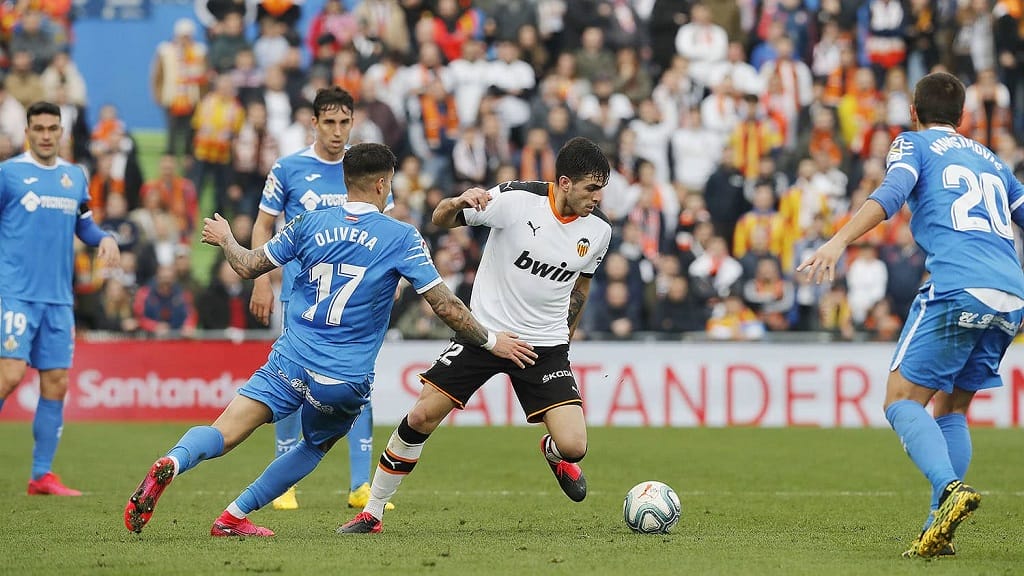
How to Know When the Crowd Is Backing the Favorite Team
One of the biggest influences on ty le keo nha cai is the behavior of the betting crowd. Understanding where the majority of bets are going can help you avoid traps and spot opportunities. Bookmakers often take advantage of crowd bias—especially toward popular teams—to set less favorable odds.
Here’s how to recognize crowd behavior:
- Sudden Drop in Odds for the Favorite:
When ty le keo nha cai for the stronger team suddenly decreases while the underdog’s odds rise, it’s a sign that a large portion of the public is backing the favorite. - Overloaded Media Attention:
If sports media and social networks heavily promote one side—especially in big matches like Real Madrid vs Barcelona or Manchester United vs Liverpool—it’s likely that the public sentiment favors the more famous club. Bookmakers often adjust ty le keo nha cai accordingly to balance risk. - Unrealistic Handicaps:
When the handicap line for a favorite team becomes too high (for example, -1.5 or -2 in an evenly matched game), it may indicate excessive public enthusiasm. In such cases, betting on the underdog may offer better value. - Monitoring Betting Platforms:
Some betting websites show live data on where the money is going—what percentage of bettors are choosing each side. Observing these numbers alongside changes in ty le keo nha cai can confirm whether the bookmaker is reacting to crowd pressure.
Key insight: The crowd is often emotional, betting with loyalty or hype rather than analysis. Professional bettors use this to their advantage, going against the public when the odds overvalue the favorite.

Practical Tips for Smart “Ty Le Keo Nha Cai” Analysis
- Compare odds across multiple bookmakers to detect unusual variations in ty le keo nha cai.
- Follow professional tipster channels not to copy their bets, but to understand how experts interpret odds movements.
- Stay updated until kickoff—team news can change suddenly, and even a late injury can shift the odds dramatically.
- Avoid emotional betting. Don’t pick a team just because you support them; trust data and odds movement instead.
- Keep a betting journal. Record which ty le keo nha cai you selected, when, and why. Reviewing results will help refine your analysis skills over time.
Conclusion
Analyzing ty le keo nha cai bbet is a blend of timing, data, and psychology. The best bettors don’t just look at numbers—they understand the story behind them: how team updates, bookmaker adjustments, and public sentiment shape each line. Choosing the right time to bet and identifying crowd behavior can dramatically improve your long-term success rate.
In the end, betting is about patience, observation, and rational decision-making. If you can interpret ty le keo nha cai using accurate, updated information—and stay aware of when the crowd is pushing the market—you’ll gain the edge needed to make smarter, more profitable wagers.


