What is a katana without a curve called?
The katana stands as one of history’s most recognizable weapons, its graceful curve defining centuries of Japanese sword-making tradition. Yet within the rich tapestry of Japanese metallurgy, straight-bladed counterparts played equally significant roles in shaping samurai warfare and culture. Understanding these straight Japanese swords reveals a fascinating chapter of blade craftsmanship that extends far beyond the iconic katana’s curved silhouette.
This exploration delves into the world of straight Japanese swords, examining their historical significance, construction methods, and modern availability in the UK. From ancient chokuto blades to contemporary replicas, these weapons represent a crucial link between Japan’s earliest sword-making traditions and the evolution of the legendary katana.
The distinction between curved and straight Japanese swords offers insight into the practical and ceremonial aspects of samurai culture, revealing how blade geometry influenced both combat effectiveness and aesthetic appeal throughout different periods of Japanese history.
Understanding Katana Curvature (Sori)
The traditional katana’s distinctive curve, known as sori, represents far more than aesthetic preference. This carefully engineered curvature typically measures between 15-25 millimeters, creating optimal cutting geometry that maximizes the blade’s slicing efficiency. The curve develops naturally during the differential hardening process, where the spine (mune) and cutting edge (ha) cool at different rates, causing the blade to bend gracefully.
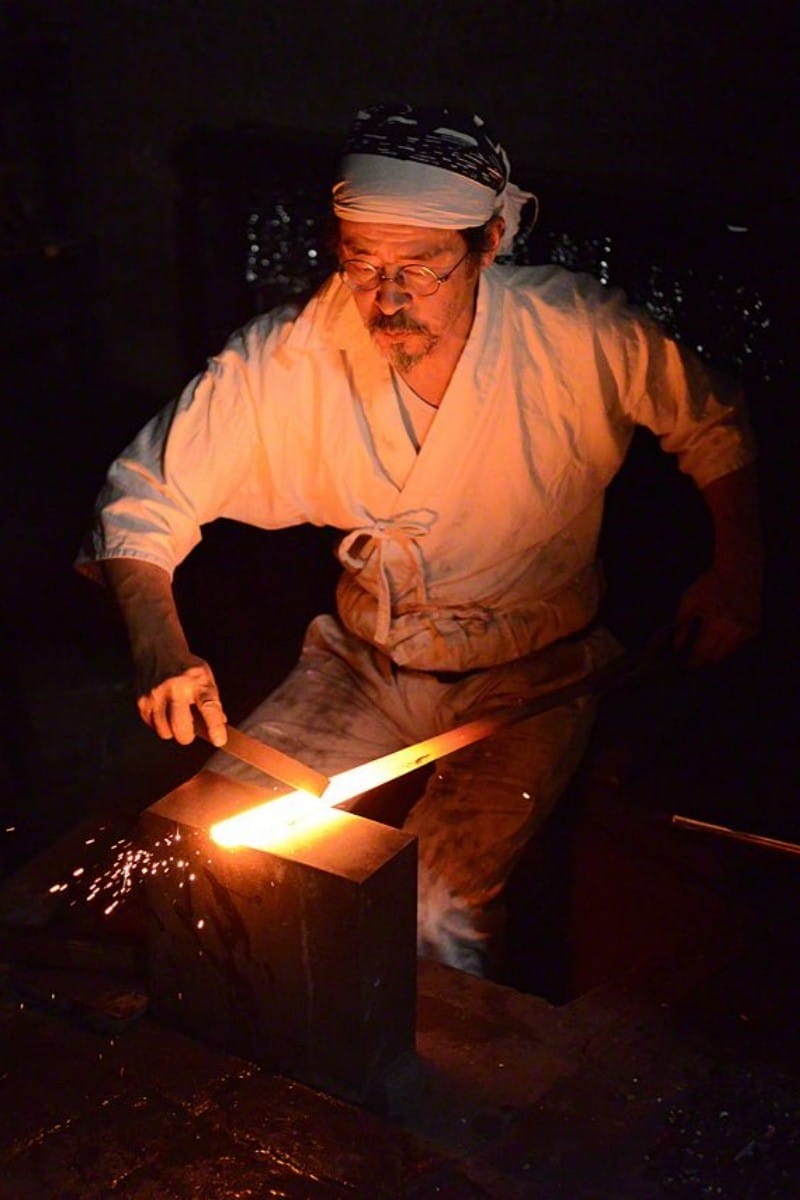
Master swordsmiths achieved this curvature through meticulous heat treatment, applying clay mixtures of varying thickness across the blade before tempering. The resulting hamon (temper line) not only creates the katana’s legendary sharpness but also contributes to its iconic shape. This process requires exceptional skill, as the curve must be perfectly balanced to ensure proper blade geometry.
The functional advantages of sori extend beyond mere cutting efficiency. The curve allows for more effective drawing techniques (iaijutsu), where the blade’s geometry facilitates smooth, rapid unsheathing. Additionally, the curvature distributes stress more evenly across the blade during impact, reducing the likelihood of breakage compared to straight designs.
Straight Swords in Japanese History
Japanese sword evolution reveals that straight blades preceded the curved katana by several centuries. Early Japanese metallurgy drew heavily from Chinese sword-making traditions, producing straight, double-edged weapons that served both ceremonial and practical purposes. These early swords reflected the technological limitations and aesthetic preferences of their respective periods.
The transition from straight to curved blades occurred gradually during the Heian period (794-1185), driven by changes in combat tactics and mounting techniques. Cavalry warfare demanded weapons optimized for slashing attacks from horseback, leading to the development of increasingly curved designs. However, straight swords never completely disappeared from Japanese arsenals.
Religious and ceremonial contexts preserved many straight sword traditions. Shinto shrines often housed straight ritual blades, while certain martial arts schools maintained training with straight weapons. These practices ensured that knowledge of straight sword construction and usage survived alongside the more famous curved designs.
The Chokuto: An Ancient Straight Sword
The chokuto represents Japan’s earliest indigenous sword design, predating the katana by approximately 400 years. These straight, single-edged blades typically measured 60-80 centimeters in length, featuring simple but effective construction methods that would later influence katana development. Archaeological evidence suggests chokuto production began during the Kofun period (300-538 CE), making them among Japan’s oldest preserved weapons.
Construction of authentic chokuto involved laminated steel techniques, where multiple iron and steel layers created blades of exceptional strength and flexibility. The folding methods employed in chokuto fabrication directly influenced later katana swords production, establishing fundamental principles of Japanese metallurgy. These early techniques produced blades capable of maintaining sharp edges while resisting breakage under stress.
Chokuto served multiple roles within early Japanese society, functioning as status symbols, ceremonial objects, and practical weapons. Archaeological discoveries reveal chokuto buried alongside high-ranking individuals, indicating their importance in both life and death. The geometric simplicity of these straight blades belied their sophisticated metallurgy and cultural significance.
Modern reproductions of chokuto available in the UK typically feature carbon steel construction with traditional handle wrapping techniques. These replicas offer collectors and martial artists opportunities to experience historical Japanese sword design while maintaining the authentic feel of ancient weaponry.
Other Japanese Swords with Minimal Curvature
Wakizashi Variations
Traditional wakizashi, while typically curved, occasionally appeared in nearly straight configurations during certain historical periods. These shorter companion swords (30-60 cm) sometimes featured minimal curvature that approached straight geometry, particularly in early examples or specific regional styles. The reduced curve in some wakizashi designs reflected their dual role as both weapons and tools for close-quarters combat.
Tanto: The Straight Dagger
The tanto represents perhaps the most commonly encountered straight Japanese blade design. These daggers, typically measuring 15-30 centimeters, served as backup weapons and utility tools for samurai. Many tanto featured completely straight edges, optimizing them for thrusting attacks and precise cutting tasks. The geometric simplicity of straight tanto made them easier to conceal and quicker to deploy than curved alternatives.
Tanto construction often employed similar steel-folding techniques found in larger swords, creating miniature masterpieces of Japanese metallurgy. The straight blade geometry allowed for maximum material efficiency while maintaining structural integrity. Modern tanto replicas popular among UK collectors preserve these traditional construction methods while meeting contemporary safety standards.
Modern Interpretations and Replicas
Contemporary interest in Japanese sword arts has sparked renewed appreciation for straight blade designs. Modern swordsmiths and replica manufacturers now offer historically accurate reproductions that capture the essence of ancient Japanese straight swords while incorporating improved safety features. These pieces serve educational, ceremonial, and training purposes for martial arts practitioners throughout the UK.
Availability in the UK
Several specialized retailers across the UK stock authentic-style Japanese straight swords, including:
Traditional Weapons Suppliers: Established dealers offer museum-quality replicas crafted using traditional methods. These pieces typically feature properly heat-treated carbon steel, authentic handle construction, and accurate historical proportions.
Martial Arts Equipment Vendors: Training-focused suppliers provide functional straight swords designed for iaido and kenjutsu practice. These blades emphasize durability and safety while maintaining traditional aesthetics.
Collector Specialists: High-end retailers cater to serious collectors seeking investment-quality pieces. These suppliers often provide detailed provenance documentation and authenticity certificates with their straight sword offerings.
Legal considerations for UK purchasers include understanding current regulations regarding sword ownership and display. Reputable dealers provide comprehensive guidance on legal requirements and proper handling procedures.
Craftsmanship Standards
Modern replicas of Japanese straight swords maintain rigorous quality standards that honor traditional construction methods. Authentic reproductions feature:
- Full Tang Construction: Proper blade geometry extends through the entire handle assembly
- Differential Hardening: Heat treatment creates appropriate hardness gradients
- Traditional Materials: Authentic steel compositions and handle materials
- Accurate Proportions: Historical blade-to-handle ratios and weight distribution
Quality manufacturers provide detailed specifications and construction information, allowing buyers to make informed decisions based on intended use and budget considerations.
Cultural and Practical Significance
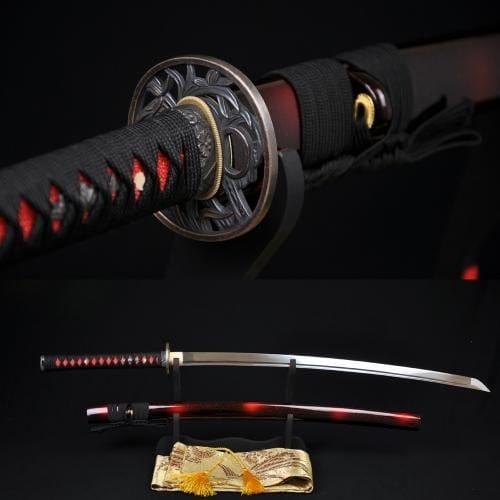
Straight Japanese swords occupy a unique position within the broader context of Japanese martial culture. While curved blades dominated battlefield applications, straight designs maintained importance in ceremonial, religious, and specialized combat contexts. Understanding these weapons provides deeper insight into the complete spectrum of Japanese sword-making traditions.
The preservation of straight sword techniques within classical martial arts schools demonstrates their continued relevance to comprehensive sword study. Modern practitioners often train with both curved and straight designs to develop complete understanding of blade dynamics and cutting principles.
Honoring Ancient Traditions
The legacy of straight Japanese swords extends far beyond their historical battlefield applications. These weapons represent crucial links to Japan’s earliest metallurgical achievements and provide valuable insights into the evolution of sword-making techniques. For UK enthusiasts seeking to understand the complete spectrum of Japanese blade craftsmanship, straight swords offer compelling alternatives to the more familiar curved designs.
Whether pursuing martial arts training, historical study, or collecting interests, straight Japanese swords provide authentic connections to ancient traditions. Modern reproductions available through UK suppliers ensure these remarkable weapons remain accessible to contemporary enthusiasts who appreciate their unique place in Japanese cultural heritage.
The question of what to call a katana without a curve opens doorways to understanding that Japanese sword tradition encompasses far more than a single iconic design. From ancient chokuto to elegant tanto, straight Japanese swords deserve recognition as masterworks of metallurgy and artistry in their own right.