
How To Treat Spider Veins Safely And Effectively
Spider veins can affect not just our appearance but also our confidence. Understanding what causes them and how we can safely treat them is essential. As we explore the causes, symptoms, and treatment options available, we’ll empower ourselves with the knowledge to tackle this common issue effectively. If you want to learn more, check out this reference: www.metroveincenters.com/
Understanding Spider Veins
Causes Of Spider Veins
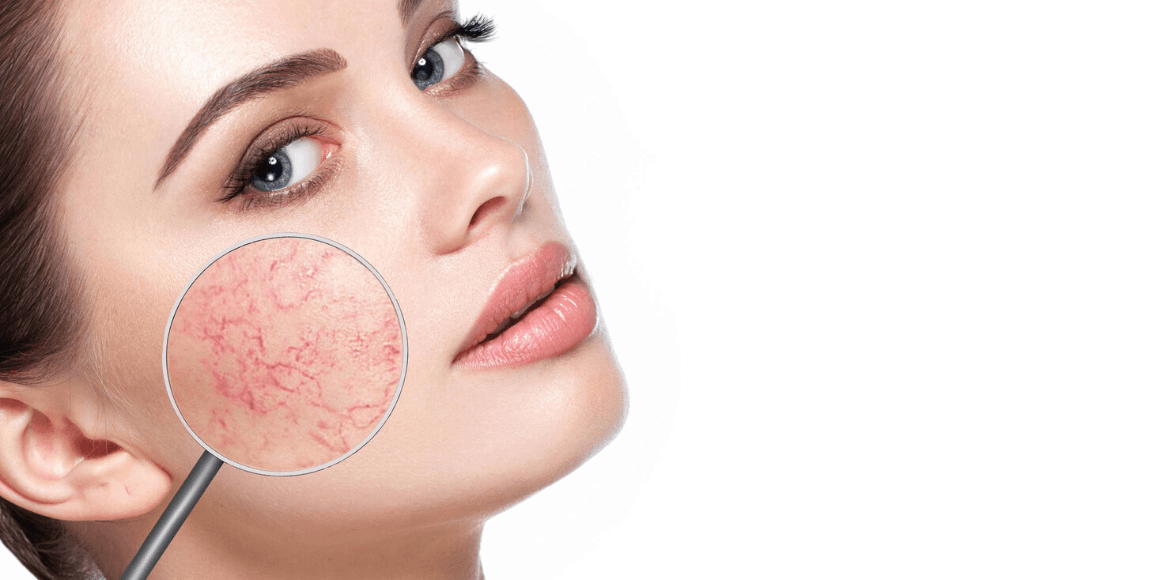
Spider veins, also known as telangiectasias, are small, dilated blood vessels that sit near the surface of the skin. They typically appear as red or blue lines and are most commonly found on the legs and face. Their development can be attributed to several factors:
- Genetics: If our parents had spider veins, we are more likely to develop them too.
- Hormonal Changes: Pregnancy, menopause, or hormonal medications can contribute to their formation.
- Sun Exposure: Prolonged sun exposure can damage skin and lead to the appearance of spider veins.
- Obesity: Excess weight increases pressure on our veins, making spider veins more likely.
- Sedentary Lifestyle: Lack of exercise can hinder proper circulation and cause vein issues.
Symptoms And Diagnosis
While spider veins can be unsightly, they often don’t cause any serious symptoms. But, some people may experience:
- Mild aching or heaviness in the legs, especially after standing for extended periods.
- Itching or discomfort surrounding the affected areas.
We should consult with a healthcare provider for an accurate diagnosis. Typically, a visual examination suffices, but ultrasound imaging may be used to rule out underlying venous issues.
Effective Treatment Options
Lifestyle Changes For Prevention
Before diving into medical treatments, let’s consider some lifestyle changes that can help prevent spider veins:
- Regular Exercise: Engaging in physical activity helps improve circulation and strengthens our leg muscles.
- Healthy Diet: Eating a balanced diet rich in fiber helps prevent constipation, which can aggravate vein problems.
- Weight Management: Keeping our weight within a healthy range reduces pressure on our veins.
- Avoiding Prolonged Sitting or Standing: We should try to move around regularly if our job involves long periods of inactivity.
- Wearing Compression Stockings: These can provide support, particularly for those with a genetic predisposition or occupations that require long periods of standing.
Medical Treatments Available
If lifestyle changes aren’t enough, several medical treatments can effectively diminish spider veins:
- Sclerotherapy: In this procedure, a solution is injected into the affected veins, causing them to collapse and fade from view.
- Laser Therapy: Laser treatments target smaller veins, causing them to disappear without the need for needles.
- Endovenous Laser Treatment (EVLT): This technique is suitable for larger veins and involves sealing the vein using laser energy.
- Radiofrequency Ablation: Similar to EVLT, this method utilizes radiofrequency energy to close off the affected veins.
Consulting a qualified healthcare provider can guide us in choosing the most suitable treatment based on our specific situation.
Risks And Considerations
While most treatments for spider veins are safe, there are some risks we should be aware of:
- Allergic Reactions: Some may experience allergic reactions to the solutions used in sclerotherapy.
- Skin Changes: Temporary discoloration or pigmentation changes may occur.
- Infection: Although rare, there’s a possibility of infection at the injection site.
- Blood Clots: In serious cases, blood clots may develop post-treatment, so we must monitor for any unusual pain or swelling.
It’s crucial to have thorough discussions with our healthcare provider about these risks before undergoing any procedures.
Post-Treatment Care And Management
After undergoing treatment for spider veins, proper care can enhance results and minimize complications:
- Follow Post-Care Instructions: Whether it’s wearing compression stockings or avoiding strenuous activity, adhering to our doctor’s guidelines is paramount.
- Stay Hydrated: Drinking plenty of water helps with overall circulation.
- Monitor Symptoms: If we notice any unusual changes, such as increased pain or swelling, we need to consult our healthcare provider immediately.
- Maintain Healthy Habits: Continuing with a healthy lifestyle after treatment can help prevent new spider veins from forming.
Conclusion
Treating spider veins safely and effectively involves understanding their causes, recognizing symptoms, and knowing the array of treatment options available. By adopting preventative lifestyle changes and seeking appropriate medical treatments when necessary, we can manage and reduce the appearance of spider veins. Let’s take charge of our health and ensure our legs look as great as we feel.