
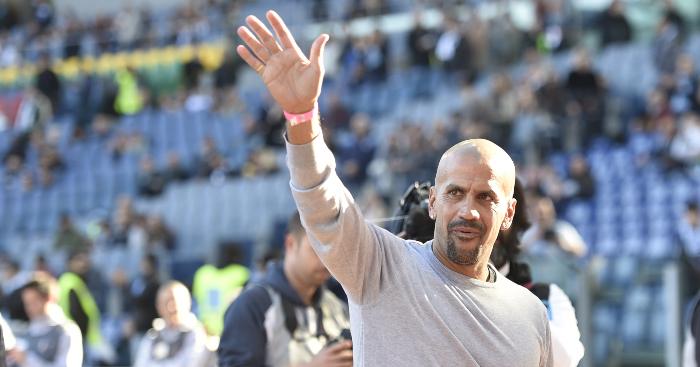
When Veteran Players Retire After the World Cup: A Goodbye Fans Aren’t Ready For
When experienced players step away from international football after a World Cup, the emotional reaction often overshadows a deeper tactical shift. For viewers, these departures fundamentally change how teams build attacks, defend space, and manage match tempo, making future games feel structurally different even if the lineup looks similar on paper.
Why retiring players leave tactical gaps
Veteran players often occupy roles that are not easily defined by position alone. They control tempo, dictate pressing triggers, or stabilize transitions in ways that are built over years of international play. Once removed, the system loses an internal reference point.
This becomes visible when teams struggle to maintain rhythm during phases of possession. Watch for uneven passing tempo or inconsistent spacing, especially in midfield zones where experience previously ensured balance between risk and control.
How leadership loss alters in-game decisions
Decision-making under pressure tends to degrade when experienced voices are removed. Players who once relied on guidance must now interpret situations independently, which can lead to hesitation or overly aggressive choices.
During matches, this appears in moments like delayed clearances, rushed final passes, or misaligned pressing. These are not random errors but signs of a team adjusting to a new hierarchy of responsibility.
The structural shift in attacking patterns
Retiring forwards or attacking midfielders often take with them specific movement patterns that shaped chance creation. Their replacements may occupy similar spaces but interpret them differently, altering how attacks develop.
Before vs after retirement in attack
| Aspect | With veteran player | After retirement |
| Movement timing | Coordinated and predictable | Less synchronized |
| Chance creation zones | Consistent high-value areas | More scattered attempts |
| Final-third decisions | Efficient and selective | Faster but less refined |
Before analyzing this table, it is important to understand that attacking structure depends heavily on shared timing. A veteran forward knows when to drop, when to stretch the line, and how to create space for others. Without that reference, teammates must recalibrate their positioning, often leading to fragmented attacking sequences.
From a viewing standpoint, the differences become clear when watching how attacks conclude. Instead of clean entries into dangerous zones, teams may settle for lower-quality shots or lose possession earlier. Observing these patterns helps distinguish between a temporary dip in form and a deeper structural transition.
What live viewing reveals about transition phases
Transitions after major retirements are best understood through full-match observation rather than isolated highlights. Subtle changes in spacing, communication, and tempo only emerge over extended periods of play.
Watching matches via ดูบอลสดวันนี้ goaldaddy allows you to track how players adapt minute by minute, especially in moments without the ball. You can see whether midfielders compensate by dropping deeper or if defenders hesitate before stepping forward. These details provide insight into how well a team is absorbing the absence of its former leaders.
Key indicators of a team in transition
Recognizing a team adjusting to retirements requires focusing on collective behavior rather than individual mistakes. Structural inconsistencies tend to appear repeatedly across different phases of play.
Begin by observing how consistently the team maintains its shape during defensive phases. Then, track how often possession sequences reach the final third with control. Pay attention to whether pressing actions occur as a unit or in isolation. Also, evaluate substitutions—are they reactive or part of a clear tactical plan?
- Defensive shape consistency across phases.
- Controlled progression into the final third.
- Coordination of pressing actions.
- Clarity and timing of substitutions.
- Stability of midfield spacing under pressure.
These indicators help viewers interpret whether the team is evolving or struggling. Instead of focusing solely on results, you begin to see patterns that explain performances. This approach provides a clearer understanding of long-term development rather than short-term fluctuations.
When retirement improves tactical flexibility
In some cases, removing a dominant veteran allows a team to diversify its approach. Without a central figure dictating play, responsibilities spread more evenly, leading to varied attacking routes and less predictability.
This can be observed when multiple players contribute to chance creation rather than relying on a single focal point. During matches, watch for increased positional rotation and a wider distribution of touches in advanced areas.
The role of sample size in early matches
Initial matches after a retirement can produce misleading conclusions. A single strong or weak performance may not reflect the team’s true level, especially as players adapt to new roles.
This is where patience becomes essential for viewers. Instead of judging immediately, track patterns across several matches, focusing on whether structural issues persist or gradually resolve.
Emotional narratives vs observable performance
Fan reactions often frame retirements as purely emotional events, but on the pitch, their impact is measurable through spacing, tempo, and chance quality. Separating narrative from performance allows a more accurate reading of matches.
When watching, prioritize what the team is doing rather than what is being said about them. This shift in focus reveals whether the tactical system is evolving effectively or still dependent on past structures.
Summary
International retirements after the World Cup reshape team identity in ways that extend beyond individual absence. By focusing on tempo, structure, and coordination during live matches, viewers can better understand how teams adapt or struggle. This perspective turns emotional farewells into a deeper analysis of how football systems evolve over time.