
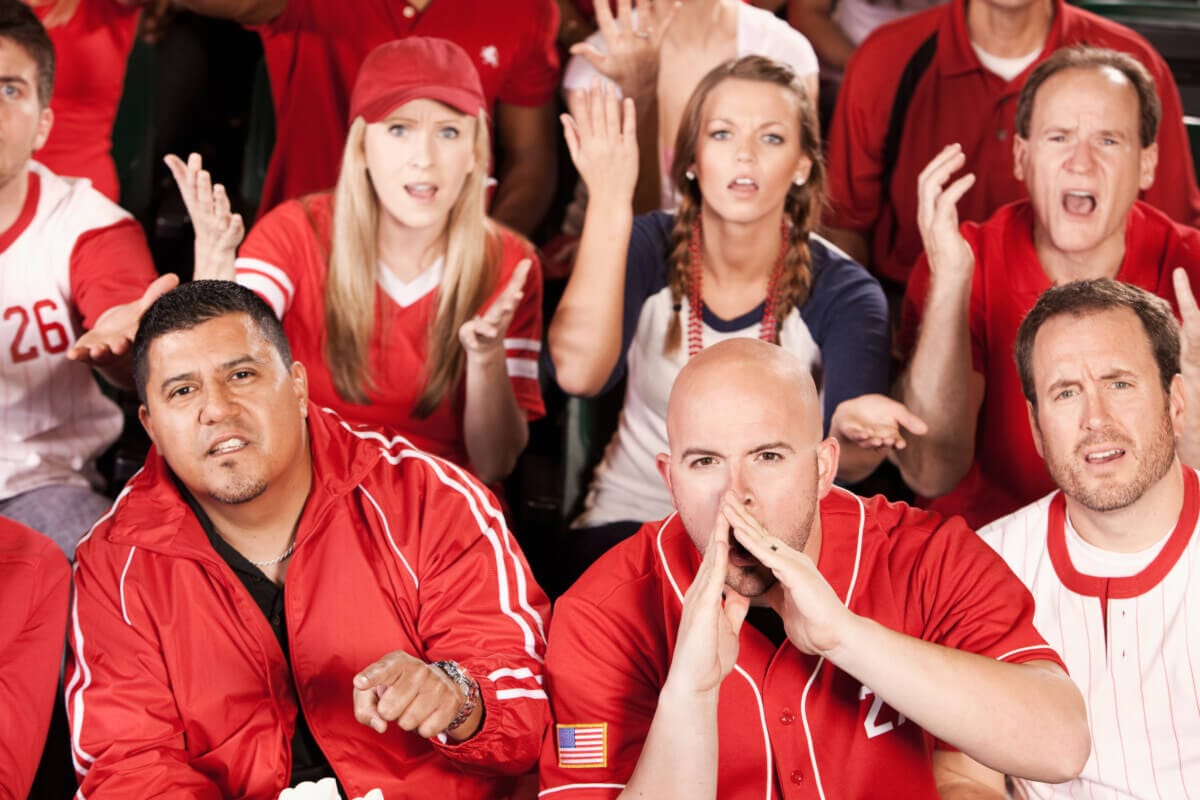
The Pros and Cons of Booing in Stadiums
Few sounds in sport are as instantly recognizable—or as divisive—as the collective “boo.” From thunderous roars of disapproval after a controversial referee call to subtle jeers meant to rattle the opposition, booing is a fixture of the football experience. It’s raw emotion made audible.
But behind that noise lies complexity. Is booing simply passion spilling over, or is it poor sportsmanship? Does it energize the home crowd or poison the spirit of fair play? Around the world, the practice sparks debate among fans, players, and officials alike.
To understand the pros and cons of booing in stadiums, we need to go beyond judgment and look deeper—into psychology, culture, and impact. This article unpacks both sides: how booing fuels intensity and unity, yet risks undermining morale and mutual respect.
Understanding the Psychology Behind Booing
Booing doesn’t come from nowhere—it’s a social, emotional reaction deeply rooted in human behavior. Football stadiums are emotional amplifiers. Tens of thousands of individuals merge into one voice, one identity. In that shared state, even subtle frustrations or joys become contagious.
Fans boo to release tension, to signal disapproval, or to influence outcomes. It’s less about individual anger and more about collective energy. In essence, booing can be both emotional therapy and tribal communication.
Crowd psychology researchers have long noted that emotional contagion spreads faster in stadiums than almost anywhere else. The closer people sit, the easier it is for emotion—positive or negative—to ripple through the stands.
Emotional Release and Shared Group Identity
For many supporters, booing provides catharsis. When their team misses a crucial chance, when a referee seems biased, or when the opposition wastes time, that brief outburst helps vent pressure. It’s a psychological “safety valve.”
At the same time, booing unites fans under one cause. The act of making noise together strengthens group identity. Everyone becomes part of something larger, reinforcing loyalty and belonging. This “us versus them” energy, if managed responsibly, can elevate the stadium’s atmosphere into something electric.
However, that energy cuts both ways. What boosts passion in one moment can cross into hostility in the next.
The Positive Effects of Booing on Match Atmosphere
Despite its reputation, booing can have legitimate positive effects. It brings emotion, spontaneity, and unpredictability—qualities that make live sports thrilling. It also reinforces the participatory nature of fandom: football isn’t just played on the pitch; it’s lived in the stands.
In moderation, booing expresses care. Fans boo because they care deeply—about fairness, about performance, about pride. That emotional investment is what keeps stadiums alive and roaring.
Increased Intensity and Pressure on Opposing Teams
Strategically, booing can disrupt rhythm and focus. Visiting players often mention how intimidating coordinated noise can be—especially in smaller, tightly packed grounds. The pressure isn’t just mental; it’s physiological. Heart rates rise, concentration slips, and communication falters.
From the home side’s perspective, that same wall of sound becomes a motivational wave. Players feed on it, interpreting it as proof of fan dedication. For referees, too, the psychological weight of noise can subtly influence marginal decisions.
Still, while intensity and passion make the match unforgettable, they also risk tipping into aggression or negativity. What lifts atmosphere one minute can damage sportsmanship the next.
The Negative Impact on Players and Sportsmanship
Every decibel has a shadow. Booing can quickly morph from passion into pressure—and not just for opponents. Home players, too, suffer when fans turn their frustration inward.
Criticizing your own team mid-match may feel justified, but studies show it rarely helps. Instead of motivating improvement, it often deepens anxiety and reduces performance. Players perceive booing as rejection, breaking trust between fans and team.
Sportsmanship also takes a hit. What begins as vocal dissatisfaction can escalate into targeted harassment, especially online. When crowd energy crosses from spirited to spiteful, the game’s beauty suffers.
Mental Stress, Miscommunication, and Reduced Performance
Booing triggers physiological stress responses. Elevated cortisol levels can affect decision-making, composure, and reaction time. For goalkeepers and young players especially, sustained hostility can linger beyond the match.
Communication on the pitch also degrades. Players hesitate to take risks, fearing mistakes that draw noise. Coaches find it harder to relay tactical shifts amid constant jeering. In short, too much negativity transforms a supportive home environment into psychological quicksand.
This is why balance matters. Booing isn’t inherently evil—but unmanaged, it corrodes morale and community alike. To see why perspectives differ so widely, we must explore the cultural lens.
Cultural Differences in Stadium Etiquette Around the World
Booing isn’t interpreted the same way everywhere. Football culture varies dramatically by region, and so does the meaning of crowd noise. In some countries, booing is an accepted language of passion; in others, it’s taboo.
In England, booing referees is commonplace, but booing your own players is seen as betrayal. In Italy or Argentina, loud disapproval can signal loyalty—fans demand excellence from those they love. Meanwhile, in Japan, booing is rare and often replaced with polite silence to express disappointment.
These differences reflect cultural values about expression, respect, and emotional restraint. No universal code governs behavior, but understanding these contexts prevents misjudgment.
Acceptable vs. Unacceptable Booing: A Global Comparison
- Europe: Booing is ritualized. Fans expect emotional volatility but draw the line at discriminatory chants or personal insults.
- South America: Passion reigns supreme; booing is part of the symphony. Yet violence, not noise, is where authorities intervene.
- Asia: Respect dominates. Booing opponents or referees is discouraged, as harmony is valued over confrontation.
- North America: In mixed-sport cultures, booing extends beyond football—used casually, even humorously, but still monitored for abusive content.
The takeaway? Context defines meaning. What’s considered spirited rivalry in one stadium may seem unsporting in another. But regardless of culture, authorities share one responsibility: maintaining safety and dignity for all.
How Stadium Officials and Teams Respond to Booing
Managing the soundscape of a stadium is no small task. Officials, clubs, and governing bodies walk a fine line between respecting fan freedom and preventing harmful behavior.
Many leagues have established codes of conduct, reminding spectators that support should never cross into abuse. Stewards and announcers play critical roles, intervening when chants turn offensive or discriminatory. Teams, too, lead by example—players who acknowledge fans respectfully often diffuse tension before it boils over.
Some clubs even invest in fan liaison programs, creating channels for supporters to voice concerns constructively rather than through hostility. These proactive efforts maintain both passion and order.
Communication Systems, Announcements, and Preventive Measures
Modern stadiums use sophisticated communication networks to manage mood and information flow:
- Public announcements: Calm, factual messages from the stadium PA can reset crowd tone after controversial moments.
- Visual alerts: Screens display reminders about fair play, anti-racism, and family-friendly behavior.
- Security collaboration: Stewards relay real-time reports to control rooms, where crowd data helps predict flashpoints.
- Behavior tracking: Clubs may identify repeat offenders through ticket data and surveillance to maintain accountability.
Yet beyond policies, the most effective deterrent remains example. When fans witness positive crowd behavior rewarded—players applauding after respectful support—they mirror it.
Alternative Ways for Fans to Express Frustration
Passion doesn’t vanish; it just needs better outlets. Booing stems from emotion, and emotion deserves a voice—but there are creative, respectful alternatives.
Supporters can chant encouragement instead of disapproval, flipping negativity into motivation. Displaying banners, waving scarves, or using rhythmic claps to show impatience—without hostility—keeps energy constructive.
Digital spaces also provide new release valves. Online fan communities let supporters debate decisions or critique performance thoughtfully. If you can’t be at the stadium, you can still feel part of the pulse.
If you can’t make it to the stadium but still want to follow live fixtures, check goaldaddy for the full schedule across all leagues, or enjoy smooth, high‑quality streaming via ดูบอล88 anytime, anywhere.
These digital environments extend fandom while reducing live tension—an evolving balance between passion and responsibility.
Final Thoughts on the Pros and Cons of Booing in Stadiums
Booing is more than noise; it’s emotion given form. It reflects love, frustration, loyalty, and humanity itself. Its power can elevate a game’s energy or corrode its spirit, depending on how it’s wielded.
The pros and cons of booing in stadiums teach a broader lesson: football is both theater and community. Fans are performers as much as spectators, and their voices—literal and metaphorical—shape every match.
Used wisely, booing reminds players and officials that fans care deeply. Used recklessly, it drives division and undermines respect. The challenge isn’t to silence emotion, but to channel it—to cheer fiercely, criticize fairly, and remember that passion thrives best when grounded in respect.
Because ultimately, the sound that defines football shouldn’t be anger—it should be unity. Whether through cheers or measured dissent, the voice of the crowd remains the heartbeat of the game.