
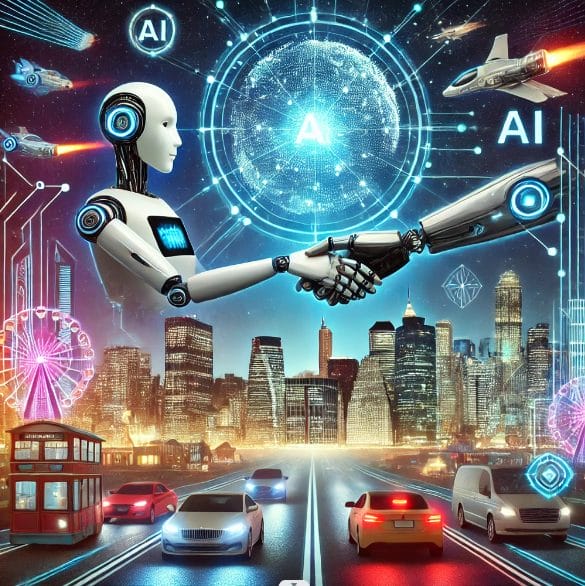
Shaping the Present, Defining the Future
In the modern world, technology is not just a tool — it is a driving force behind human progress. From the smartphones in our pockets to the artificial intelligence systems powering global industries, technology has transformed nearly every aspect of life. It connects people across the globe, fuels innovation, and plays a central role in how we live, work, and solve problems.
The Evolution of Technology
Technology has evolved dramatically over the past few decades. What began with simple inventions like the wheel and the printing press has now advanced to quantum computing, space exploration, and biotechnology. The digital revolution, beginning in the late 20th century, introduced personal computers, the internet, and mobile devices — setting the stage for the connected world we live in today.
Each technological era has built upon the last, accelerating development and making solutions more accessible. In the 21st century, technology is advancing faster than ever, with innovations emerging in fields such as:
Artificial Intelligence (AI)
Renewable Energy
Virtual Reality (VR) and Augmented Reality (AR)
Genetic Engineering
5G and Beyond
Technology in Daily Life
Technology now touches almost every part of our lives. In communication, it allows instant messaging and video calls across continents. In education, online learning platforms make knowledge available to anyone with an internet connection. In healthcare, advanced imaging machines and AI diagnostics improve patient outcomes.
Smart homes, wearables, and automated vehicles are redefining how we interact with our environments. Even the way we shop, work, and entertain ourselves has changed, thanks to e-commerce platforms, remote work tools, and streaming services.
Opportunities and Challenges
While the benefits of technology are vast, it also brings challenges that must be addressed:
Privacy and Data Security: With more data being collected, there’s a growing need to protect personal information.
Job Displacement: Automation may replace certain jobs, requiring workforce reskilling.
Digital Divide: Not everyone has equal access to technology, especially in developing regions.
Ethical Concerns: Technologies like AI raise questions about bias, decision-making, and responsibility.
Balancing innovation with ethical considerations is essential to ensure technology serves humanity positively.
The Future of Technology
Looking ahead, the future of technology is both exciting and uncertain. Artificial general intelligence (AGI), brain-computer interfaces, sustainable tech, and space colonization are areas that may redefine what it means to be human.
However, the true power of technology lies not just in its capabilities, but in how we choose to use it. As creators, users, and policymakers, it’s our responsibility to guide technological progress in a direction that benefits all.
Conclusion
Technology is a powerful tool that continues to shape our world in profound ways. From improving lives to challenging old systems, its impact is undeniable. As we move forward, embracing technology responsibly will be key to creating a more connected, efficient, and equitable global society.