Top “Sad Aesthetic” Trends Dominating Social Media in 2025
The “sad aesthetic” continues to evolve, capturing the emotional tone of an online generation that uses visuals and music to express vulnerability. As users share playlists, mood boards, and stylized content, many stumble upon unrelated digital trends like forest arrow game, highlighting how diverse platforms intersect. Yet the heart of the sad aesthetic in 2025 revolves around deeper emotional storytelling, blending nostalgia, melancholy, and raw honesty into a powerful online identity.
Why the Sad Aesthetic Still Resonates
A digital space shaped by emotion
While early versions of the sad aesthetic leaned heavily on Tumblr-style grunge or black-and-white imagery, today’s approach is more nuanced. The aesthetic has matured into an emotional language, a way for users to communicate internal struggles, romanticized loneliness, or everyday stress without explicitly stating it.
The appeal lies in subtlety — a soft blue filter, a slow-motion video, a quiet audio clip — each conveying a feeling words alone can’t capture.
A response to modern pressures
In 2025, many young people face increasing anxiety, uncertainty about the future, and digital overload.
The sad aesthetic becomes a safe space to express these pressures, offering solidarity and validation.
It’s no longer about glamorizing sadness but normalizing vulnerability.
Major Sad Aesthetic Trends of 2025
1. Soft Melancholic Visual Filters
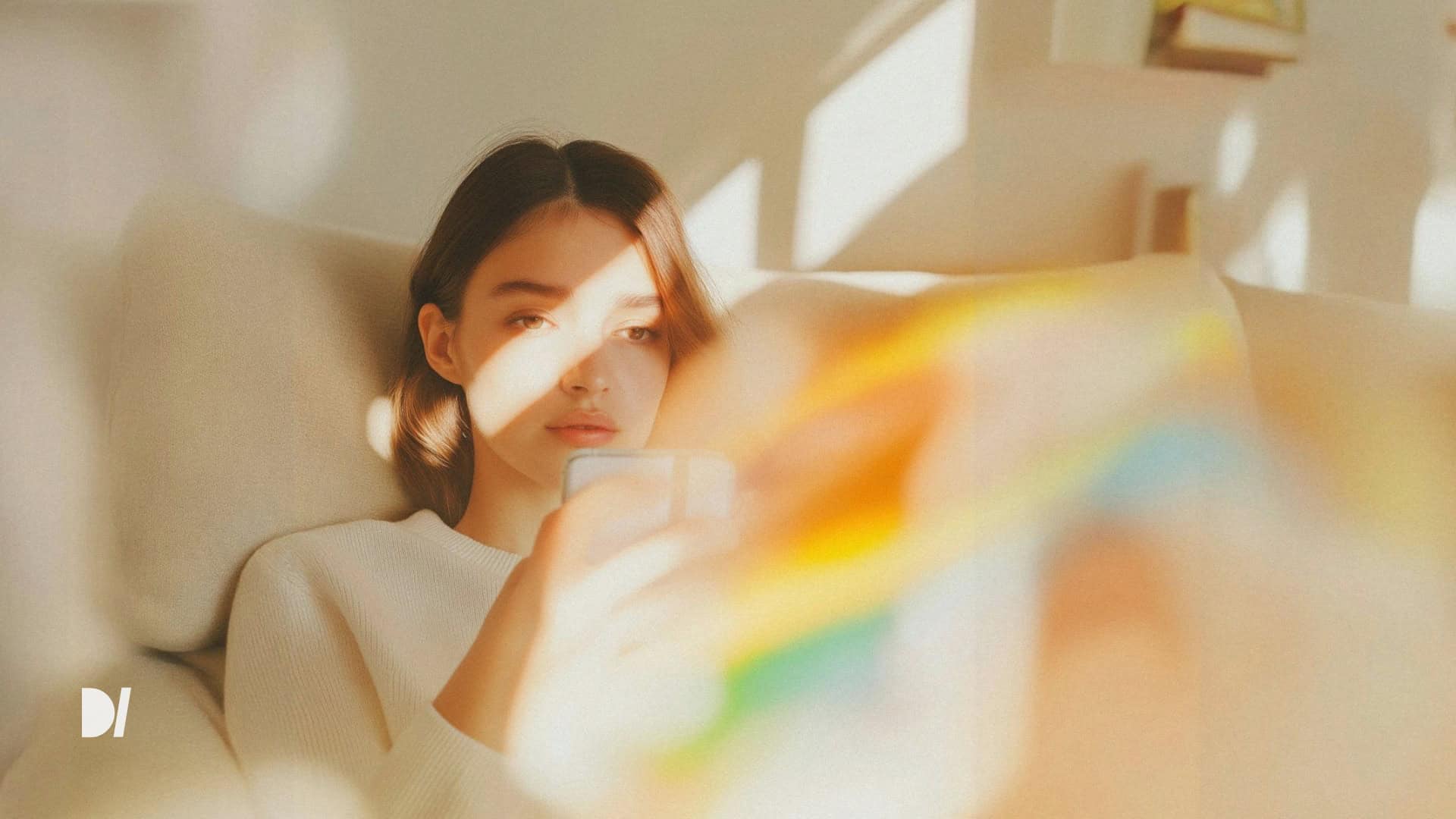
One of the most recognizable sad aesthetic trends is the use of gentle, washed-out filters.
These filters blend pastel blues, muted purples, and slightly desaturated tones to create a dreamy, sorrowful atmosphere.
They dominate:
- Instagram Reels
- TikTok vlogs
- Pinterest mood boards
- digital photography edits
Creators increasingly use blur or “misty lens” effects to evoke a sense of emotional distance or longing. Shadows are softer, lighting is indirect, and colors feel intentionally faded — mimicking the emotional haze of a difficult week or a reflective moment.
2. “Crying in the Bathroom” Micro-Vlogs
Short-form emotional storytelling has taken off across platforms like TikTok and YouTube Shorts.
The “crying in the bathroom” vlogs follow a specific formula:
- minimal makeup or natural appearance
- dim lighting, often from a single source
- raw confessions or stream-of-consciousness narration
- soft instrumental audio beneath the voice
These videos rarely dramatize sadness. Instead, creators aim for authenticity, discussing burnout, self-discovery, relationships, or quiet victories after difficult moments. The trend redefines vulnerability as something shareable, relatable, and even aesthetically expressive.
3. Lo-fi Heartbreak Playlists and Visualizers
Music has always been central to the sad aesthetic, and 2025 is no exception.
Lo-fi heartbreak playlists dominate Spotify, YouTube, and TikTok as users create emotional soundtracks for studying, healing, or evening reflections.
Typical playlist names include:
- “songs that feel like falling apart slowly”
- “rainy nights and lonely trains”
- “heartbreak but make it gentle”
Accompanying visualizers often feature grainy animations, raindrop loops, lonely cityscapes, or characters staring out windows — a perfect mix of melancholy and calm.
4. Digital Journaling and Vulnerability Posts
The rise of digital mental-health diaries has produced a wave of sad aesthetic journaling.
On platforms like Instagram Notes, Tumblr, and BeReal, users post:
- handwritten confessions
- minimalistic poetry
- anonymous thoughts
- aesthetic screenshots of reminders or iOS widgets
These posts rely on muted backgrounds, delicate fonts, and sparing use of color.
They often touch on themes like self-acceptance, heartbreak recovery, or learning to slow down.
5. Retro Nostalgia Through Old Cameras
Disposable cameras, VHS filters, and pixelated 2000s phone cameras have returned in full force.
Creators blend vintage imperfections with modern sadness to recreate a sense of distant, bittersweet memory.
Common elements include:
- timestamp overlays from the 90s or early 2000s
- grainy night photos
- blurry silhouettes
- imperfect flash photography
This nostalgic aesthetic taps into the feeling of longing for a past that feels simpler — even if it never truly existed.
Why These Trends Matter in 2025
1. They encourage emotional openness
Despite criticism about romanticizing sadness, many creators argue that the aesthetic helps normalize emotional conversations.
For some, posting a soft, aesthetic video is a stepping stone toward discussing deeper issues with peers or professionals.
2. They reflect cultural shifts in mental health awareness
Mental health discussions have become more frequent, especially among Gen Z and Gen Alpha.
The sad aesthetic acts as a symbolic language, signaling “I’m struggling, but I’m trying” without explicit explanation.
3. They form online communities built on empathy
Sad aesthetic spaces are generally kinder than other social media zones.
Users comment words of comfort, share similar experiences, or simply remind one another that feeling overwhelmed is part of being human.
Conclusion
The sad aesthetic dominating social media in 2025 is more than a visual trend — it’s a cultural movement rooted in vulnerability, artistic expression, and emotional connection.
Whether through nostalgic filters, heartbreak playlists, or quiet confessions in dimly lit vlogs, people are finding new ways to express their inner worlds.
These trends remind us that sadness is a universal emotion and, when shared thoughtfully, can create communities built on understanding, healing, and authenticity.