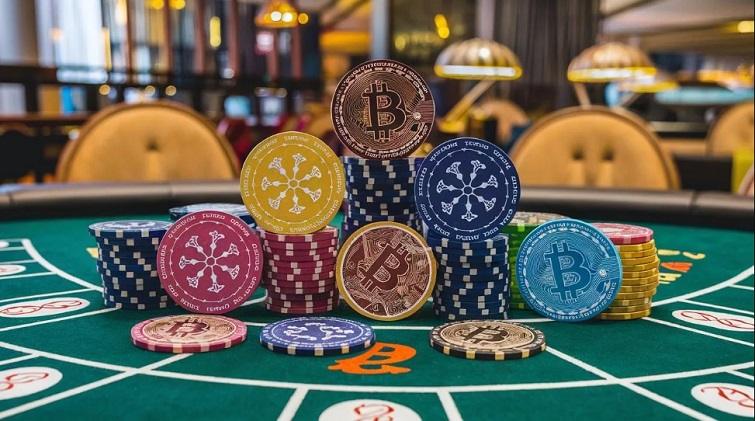

Reeling in Fortune: The Anatomy of a Slot Win on the Modern Betting Machine
There’s something magnetic about a slot win — that brief moment when sound, light, and timing collide. Each spin holds a quiet promise, an instant that feels suspended between chance and destiny. Whether you’re standing beneath the hum of a casino ceiling or watching the reels turn on your phone, the sensation remains the same: anticipation thick enough to hear.
In the digital age, that pulse of excitement has simply changed its setting. Players no longer need to chase the thrill under neon lights; it now fits in the palm of a hand. Among online players, tez888 download apk latest version is shorthand for the next generation of live casino play, where every spin feels immediate and real — a blend of technology and suspense that mirrors the energy of the casino floor.
The modern betting machine has come a long way from the clattering metal boxes of the past. What was once a lever and a set of reels is now a quiet network of algorithms, sound design, and probability. It’s still a game of chance, but one wrapped in precision. Beneath the glow of every digital reel lives a simple truth: the outcome is random, but the experience is crafted to feel unforgettable.
And when that long-awaited slot win finally lands, it’s not just about luck — it’s about the story behind it. To understand that story, we have to follow the slot machine’s journey from its mechanical heart to the data-driven rhythm of today’s digital casinos.
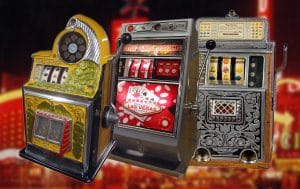
From the One-Armed Bandit to the Digital Betting Machine
The first slot machines appeared in the late 19th century, long before online casinos or mobile apps existed. Known as one-armed bandits, these mechanical devices were simple yet captivating: pull the lever, watch the reels spin, and hope for matching symbols. The basic idea hasn’t changed, but the technology certainly has.
Today’s betting machines — whether found in land-based casinos or on online platforms — are entirely digital. Physical reels have been replaced by random number generators (RNGs), complex software systems that ensure every spin is independent and unpredictable. This means that even if you’ve gone a hundred spins without a win, the next one still has the same odds.
Understanding how this mechanism works helps demystify the idea of luck. The machine doesn’t remember; it doesn’t care how long you’ve been playing. What matters is the random number sequence generated at the exact moment you press “spin.” This independence is what makes a slot win both thrilling and entirely impartial — a pure contest between chance and timing.
It’s also why regulation is so strict in the gambling industry. Certified RNGs are audited to ensure fairness, and any deviation could mean severe penalties for operators. In essence, a modern slot machine is a mathematical marvel disguised as entertainment.
Understanding a Slot Win: What Triggers It and How It’s Paid
To the casual player, a slot win feels like magic — one second you’re watching spinning symbols, and the next, the screen flashes with color and sound. But behind this moment is a clear system of probability, design, and reward.
Every spin on a betting machine produces a random combination of symbols. If the symbols align in one of the machine’s active paylines, you win. Some modern games use “ways to win” mechanics instead of traditional paylines, offering thousands of possible combinations. Regardless of format, the underlying rule remains the same: only the random generator determines the outcome.
A slot win can range from small payouts to life-changing jackpots. Regular wins occur frequently but yield modest amounts. A jackpot spin, however, is triggered under very specific conditions — matching rare symbols, activating bonus rounds, or landing special scatter icons. Then there are progressive jackpots, where each bet contributes to a growing prize pool shared among connected machines.
Comparing Different Types of Wins
| Type of Win | Trigger Conditions | Typical Payout / Behavior |
| Regular Win | Matching common symbols on active paylines | Frequent, smaller payouts |
| Jackpot Spin | Rare symbol combination or bonus activation | Rare, large single payout |
| Progressive Jackpot | Linked machines contributing to one pool | Extremely rare, massive prize amounts |
The sound and light celebration that follows a slot win is not accidental — it’s a psychological reinforcement. Designers carefully craft every visual and auditory cue to heighten the sensation of reward. The bright flashes and triumphant jingles make even small wins feel special, encouraging the player’s sense of progress and excitement.
However, experts warn against mistaking this sensory feedback for actual success. Studies show that “near-misses” — combinations that almost win — can trigger the same brain responses as real victories. This is what keeps players engaged, chasing the next big jackpot spin even after dozens of empty ones.
The Role of Bet Size, Volatility, and RTP
Not all slot machines are created equal. The odds and potential rewards vary greatly depending on three key factors: bet size, volatility, and RTP (Return to Player). Understanding these concepts transforms random play into informed entertainment.
Bet Size
Increasing your bet doesn’t change the odds of winning; it simply scales the payout. On a betting machine, wagering more may qualify you for certain bonus features or progressive jackpots, but it doesn’t affect the likelihood of hitting a slot win. Each spin remains independent.
Volatility
Volatility (or variance) measures how risky a slot game is. High-volatility slots may deliver fewer wins, but when they hit, the rewards are much larger. Low-volatility games, on the other hand, offer more frequent but smaller payouts — ideal for players who enjoy steady action rather than long waits between big moments.
RTP (Return to Player)
RTP represents the percentage of total money wagered that a machine will return to players over time. For instance, a game with 96% RTP is designed to give back $96 for every $100 wagered — though this figure applies to thousands of spins, not individual sessions.
Together, these three factors shape a player’s overall experience. Understanding them encourages responsible play and prevents misconceptions. As gambling writer John Grochowski once observed, “Streaks are a normal part of the probability of the game.” This reminder underscores an essential truth: every spin — and every slot win — is an isolated event governed entirely by randomness.
Strategies, Myths, and the Truth About the Jackpot Spin
There’s no shortage of theories about how to “beat” the slots. Some players swear by switching machines after every few spins. Others believe in lucky seats or that the machine “warms up” before paying out. The truth? A jackpot spin has no memory and no rhythm. Every spin is its own isolated event, sealed the moment you press the button.
One of the oldest misconceptions is the idea that a machine that hasn’t paid out in a while is “due.” It’s not. The random number generator (RNG) that drives each spin doesn’t know or care about your history. You could sit down right after someone’s big win and still hit a slot win on your first try — or go hundreds of spins without one.
Here are some of the most persistent myths, and the reality behind them:
Common Myths About Slot Wins
- “The machine is about to pay out.”
RNGs don’t follow patterns. Every outcome is independent. - “Higher bets mean better odds.”
Larger wagers raise potential payouts, not the chance of winning. - “Slots pay more at night.”
They don’t. Casinos run 24/7, and randomness never sleeps.
But while there’s no secret formula for success, there are habits that make the experience more enjoyable — and less stressful.
Sensible Approaches to Slot Play
- Pick games with transparent RTP (Return to Player) and volatility levels.
- Set limits before you start and respect them, even during a winning streak.
- Take regular breaks — excitement and fatigue don’t mix well.
- Celebrate a slot win, but don’t chase it.
As gambling writer John Grochowski wisely put it: “Streaks are a normal part of the probability of the game… Anyone playing a machine with a 12 percent hit frequency for very long will have streaks of 20 or more losses.”
In other words, losing streaks aren’t a sign of bad luck — they’re just the nature of probability. Once you accept that, every spin becomes less about chasing victory and more about enjoying the game.

The Psychology Behind a Slot Win and the Allure of the Jackpot Spin
A slot game is as much about emotion as it is about chance. The flash of lights, the cheerful chime of coins, the slow-motion spin that seems to hold its breath — all of it is deliberate. Game designers have spent decades perfecting the art of anticipation.
When you finally land a slot win, it’s not just a financial event; it’s a psychological one. Your brain releases dopamine — the same neurotransmitter responsible for pleasure and reward. Even a near-miss, when the winning symbol stops one space short, triggers a similar chemical response. That’s why players often feel they’re “close” to winning, even when the odds haven’t changed.
The magic of a jackpot spin isn’t only in its payout; it’s in the experience it creates. Those few seconds of suspense feel like a story unfolding — one where the next click could change everything.
Modern betting machines enhance that illusion with sophisticated animations, bonus rounds, and escalating sounds. The design goal is to keep you emotionally invested. Yet the best players know that awareness is key. Understanding the psychology behind the game helps you enjoy it for what it is — entertainment built on chance, not a strategy for profit.
The Future of the Betting Machine: Innovation and Ethics
The betting landscape has changed beyond recognition. The classic lever-and-reel machines are giving way to digital ecosystems where data, design, and ethics intersect. Today, a betting machine is as much a software platform as a physical device.
Innovation is rewriting the rules:
- Progressive networks connect thousands of machines to one massive jackpot pool, creating life-changing wins.
- Skill-based features allow players to influence bonuses or side games, blending arcade-style play with gambling.
- Blockchain technology is making outcomes transparent and verifiable, addressing long-standing trust issues.
But innovation brings responsibility. Regulators now require clear RTP displays, session limits, and self-exclusion tools. Artificial intelligence is even being used to identify risky behavior — spotting when a player’s betting pattern suggests emotional decision-making.
The goal is to keep the thrill while reducing harm. The future of slot wins isn’t just about bigger prizes; it’s about creating fair, balanced systems that respect players as much as they entertain them.
No matter how advanced the software becomes, one thing won’t change: every spin will still rely on chance, not prediction. The unpredictability of a jackpot spin remains the heartbeat of the game.
Conclusion
The story of a slot win is ultimately the story of human hope. Every press of the button is a small act of optimism — the belief that fortune might turn in your favor. From the first mechanical slot machines to today’s high-tech digital platforms, that feeling hasn’t changed.
Understanding how these games work doesn’t kill the excitement; it gives it perspective. When you know that randomness, not superstition, drives every outcome, you can appreciate the game as it truly is — entertainment with a mathematical soul.
Whether you land a small prize or hit the dream jackpot spin, the key is to play smart, play slow, and play for fun. The real win isn’t on the screen; it’s in keeping control of the experience.
FAQ
- What is considered a slot win?
A slot win occurs when the reels display a combination that matches one of the game’s defined payout patterns. The final amount depends on wager size, active paylines, and how rare the symbols are. Each result stands alone; previous spins have no influence. - How often do progressive jackpots occur?
Extremely rarely. Depending on the specific network and contribution rate, a progressive jackpot can hit once in several million spins. That rarity explains the size of the eventual prize. - What does RTP mean and why is it important?
Return to Player, or RTP, represents the share of total bets a machine statistically returns over time. Games with higher RTP percentages offer better long-term efficiency, though short-term results always depend on luck. - Can strategy improve the chance of a slot win?
No approach can alter randomness. However, choosing regulated games, setting clear limits, and viewing play as entertainment rather than competition helps maintain control and perspective. - Can players predict when a machine will pay out?
No. Modern betting machines have no payout schedules or memory of past results. Each spin is self-contained, and the timing of a win cannot be forecast. The only practical rule is to play responsibly.