Sad Girl Aesthetic Colors and What They Mean
The sad girl aesthetic is as much about colors as it is about fashion, photography, or captions. Colors set the mood, define the tone, and communicate emotions that words often cannot. From faded blues to washed-out pinks, each shade carries meaning in the online world where the aesthetic thrives.
By decoding these colors, we can better understand how people use them to shape digital identities. Every choice—from filters to wardrobe—becomes a form of storytelling, turning sadness into something artistic and expressive. Interestingly, this kind of emotional design is also seen in the visual branding of entertainment spaces, including the best casino platforms, where color palettes are carefully chosen to evoke excitement, calm, or nostalgia.
The Language of Colors in Aesthetics
Colors have always been symbolic. In the sad girl aesthetic, they reflect vulnerability, nostalgia, and softness. Unlike the bright and saturated tones of mainstream influencers, sad girl visuals lean toward muted, faded, and pastel hues. These create an atmosphere that feels authentic, personal, and slightly melancholic.
Colors do not just decorate—they define the entire mood. A grey-toned profile picture suggests distance, while a pastel pink overlay feels more tender and nostalgic. Together, these palettes create a recognizable online identity.
Why Muted Colors Work
Muted palettes mimic old photographs, evoking memories and imperfection. They break away from glossy perfection and invite honesty.
Emotional Depth
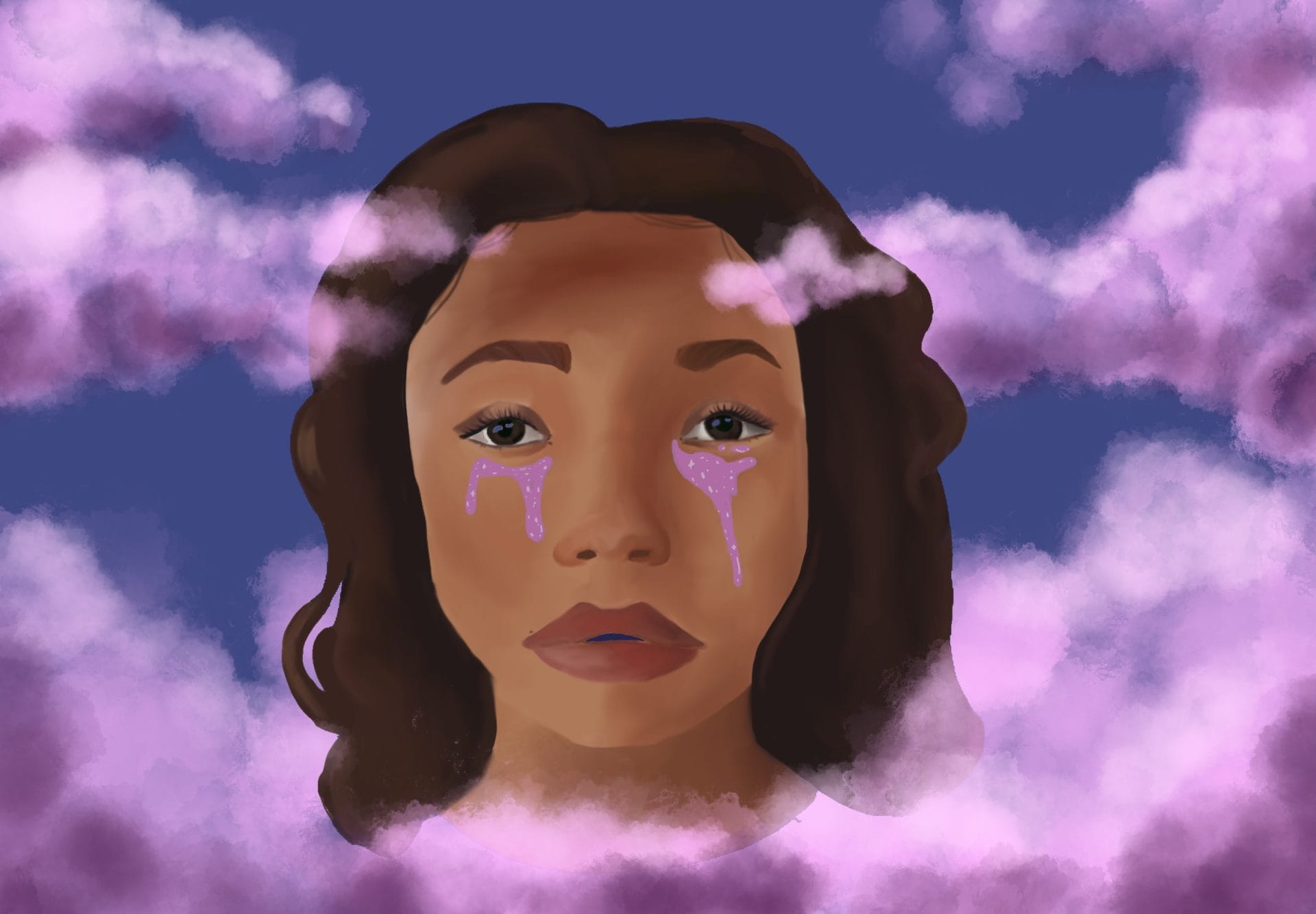
Every chosen color acts as an emotional cue. A blue-toned feed communicates calm sadness, while soft purples suggest dreamy introspection.
Common Colors in the Sad Girl Aesthetic
The sad girl aesthetic uses a palette where each color has symbolic weight. These shades appear in outfits, filters, and photo editing choices, creating cohesion across social media feeds.
Blues and Greys
Blue is the dominant sad aesthetic color, symbolizing melancholy, distance, and reflection. Grey tones add neutrality, amplifying themes of isolation or introspection.
Pinks and Purples
Soft pink represents tenderness and vulnerability, while lavender and violet tones bring a dreamy, poetic quality. Together, they balance sadness with beauty.
A Color Guide to Sad Aesthetic Meanings
| Color | Emotional Symbolism | Common Use in Aesthetic |
| Blue | Sadness, calm, reflection | Filters, outfits, skies, captions |
| Grey | Isolation, neutrality, pause | Backgrounds, clothing, overlays |
| Pink | Tenderness, softness, nostalgia | Outfits, makeup, faded filters |
| Purple | Dreamy, poetic, introspection | Collages, posters, themed edits |
| Black | Mystery, depth, rebellion | Eyeliner, clothing, dramatic edits |
Styling With Color
Colors are not used randomly—they are layered and combined. Many sad girl feeds alternate between cool and warm muted tones, creating a visual rhythm that matches the ups and downs of emotion.
Outfits and Makeup
Muted sweaters, vintage denim, and soft makeup palettes are staples. Black eyeliner or lipstick often serves as contrast, deepening the mood.
Photography and Editing
Filters reduce saturation and add grain, creating a faded, vintage effect. Combining blues with pastel overlays makes photos feel dreamy while still emotionally grounded.
The Social Media Impact of Color Choices
Colors define not only personal style but also audience perception. On Instagram or TikTok, muted tones stand out against bright, polished influencers. This makes sad girl profiles feel more relatable and artistic.
Color storytelling also helps creators build recognizable online brands. Just as consistent filters make a feed cohesive, repeated use of certain colors communicates identity and emotion at first glance.
Visual Consistency
Using one or two dominant colors makes content more memorable. It turns personal sadness into a shared aesthetic that others instantly recognize.
Engagement and Connection
Audiences are drawn to authenticity. Colors that communicate vulnerability resonate strongly, building a sense of intimacy between creators and followers.
Conclusion
Sad girl aesthetics show that colors are more than decoration—they are emotional tools. Blues, greys, pinks, and purples transform sadness into art, while muted tones turn imperfection into beauty.
By carefully choosing palettes, creators not only express themselves but also build identities that connect deeply with online communities. The colors of sadness become symbols of strength, creativity, and belonging in the digital world.